If you’ve ever been around scrap yards, metal recycling facilities, or demolition sites, you know a baler shear isn’t just a heavy chunk of metal that cuts and compacts scrap. It’s the backbone of a lot of operations that move millions of tons of metal each year, and safety? That’s not an afterthought for modern models—it’s baked into every part of the design. As someone who’s been supplying baler shears for years, I’ve seen how far we’ve come from the old, clunky machines that relied on operators guessing when a cut was safe. Now, every feature works to keep the people running these machines out of harm’s way, no matter how tough the scrap is. Baler Shear
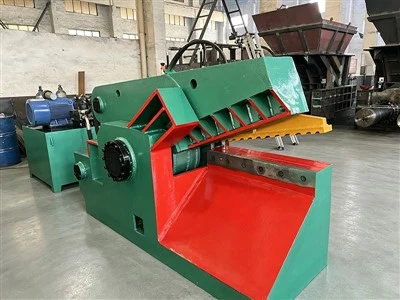
Let’s start with the big one: operator controls, which used to be a single lever right next to the cutting chamber, putting someone inches away from flying debris. Now, modern baler shears run on remote or cabin-mounted controls, and that’s a game changer. You can stand 10, 20, even 50 feet away from the shear when it’s running, no risk of a stray piece of metal bouncing back. But even inside the cabin, there are extra layers: interlock systems that won’t let the shear turn on if the cabin door is open, or if the operator tries to reach outside while it’s running. Some newer models even have pressure-sensitive mats outside the main work area—if anyone steps where they shouldn’t, the shear shuts down instantly, no questions asked. I’ve heard too many horror stories from operators who got distracted and leaned too close, so these features aren’t just nice add-ons; they’re life savers.
Next up, the cutting chamber itself. Old shears had open chambers, where you’d feed scrap into a gap and hope nothing caught you. Now, modern models have fully enclosed cutting areas with tinted, shatter-resistant polycarbonate windows. That lets you see what’s going on inside without getting hit by sparks, sharp metal shards, or hydraulic fluid if a line leaks. The windows even have automatic wipers and washers for when dust or grease builds up, so you never lose visibility mid-job. Plus, the feed opening is designed so you can only insert scrap in the right way—reverse feeding or sticking your hand in is physically impossible, because the opening is sized to only fit standard scrap pieces. No more fumbling with a 10-pound chunk of steel while the blade lowers. I’ve seen operators use makeshift tools to pull scrap before, and that’s exactly how accidents happen—now, the machines prevent that.
Hydraulic systems are another spot where safety got a huge upgrade. Old hydraulic lines were thin, unmarked, and prone to bursting under the high pressure needed to cut thick metal. Modern baler shears use reinforced, high-tensile hoses that are color-coded so you can tell pressure lines from return lines at a glance. They also have pressure relief valves that kick in if the system gets too stressed—like if you try to cut a piece of metal that’s way too big for the shear. Instead of the line bursting, the valve releases excess pressure, preventing leaks that could cause slips, falls, or even burns from hot hydraulic fluid. Some models also have leak-detection sensors that shut down the entire system if a line has a slow leak, so you don’t end up with a puddle of oil on the floor that someone could step on. I can’t tell you how many sites used to have “wet floors” marked as a constant hazard—this fixes most of that.
Then there’s emergency stop (E-stop) systems, which sound basic but have come a long way. Older E-stops were big, hard to reach, and sometimes didn’t work if the power cut out. Modern baler shears have multiple E-stops: one at the control panel, one on the exterior of the machine within arm’s reach of any side, and even a wireless fob that any worker on the site can carry. They’re also designed to engage instantly, even if the shear is mid-cut—no waiting for the system to slow down. Some even have a “soft stop” mode for when you don’t need to shut down completely, but the E-stop is always there as a last resort. One thing I always tell buyers is: if your machine only has one E-stop, it’s not safe enough.
Fire safety is another big one that people overlook. When you’re cutting rusty metal or wiring, you get sparks—lots of them. Old shears had no fire suppression, so if a spark landed on a pile of dry scrap or hydraulic fluid, you were crossing your fingers it wouldn’t catch. Modern baler shears have built-in fire suppression systems that sit right on top of the cutting chamber, spraying a dry chemical or water mist at the first sign of a fire. Some models have smoke and heat sensors that trigger the suppression automatically, before a small spark turns into a full blaze. I’ve worked with sites that had a fire start because a spark landed on a pile of cardboard scrap next to the shear—this feature would’ve stopped that in seconds.
Automatic cycle control is also a safety win. Back in the day, a operator had to manually start every cut, pull the scrap, and reset the shear every time. That meant they were doing the same repetitive motion over and over, which leads to fatigue, and fatigue leads to mistakes. Modern baler shears have automated cycles: you load the scrap into the chamber, press a button, and the shear does the rest—cuts, compacts, ejects the bale—without you having to touch it. That keeps operators from having to stay in a high-stress, high-movement zone all day. Some models even have load-sensing technology that adjusts the cutting force based on how thick the scrap is, so you don’t have to guess how much power to use. No more overloading the shear and having the blade jam, which can cause it to lurch or break loose.
Noise and dust control might not seem like direct safety features, but they impact long-term safety a lot. Old shears were so loud you had to wear earplugs that mumbled your voice, but prolonged noise exposure causes hearing loss. Modern models have noise-dampening enclosures around the engine and hydraulic system, cutting noise levels by as much as 50%. They also have dust extraction systems that suck up metal dust and debris from the cutting area, which prevents workers from breathing in toxic metals like lead or asbestos. Those are chronic hazards, not just immediate ones, so they’re just as important as preventing a cut or a fall.
Wait, let’s not forget bale handling. When you compacted scrap into a bale, old shears would push the bale out with no control, so it could slide out fast and hit someone or something. Modern baler shears have hydraulic bale ejectors that move at a slow, adjustable speed, and they have sensors that stop the ejector if a bale is too big or gets stuck. Some even have bale grabbers that attach to forklifts or trucks to move the bale safely, so you don’t have to drag it across the yard. I’ve seen a bale slide out of an old shear and hit a worker’s leg—broken bone, no fun—so this stuff matters.
Now, don’t get me wrong, no machine is 100% safe if you don’t use it right. All these features mean nothing if you’re not trained to use them, or if you skip maintenance. A lot of people skip checking their hydraulic hoses or updating their E-stop systems, and that’s when accidents happen. That’s why when I supply a baler shear, I don’t just sell the machine— I also give operators a full training course, and remind them to do daily checks: make sure the windows are clean, the E-stops work, the leak sensors are on.
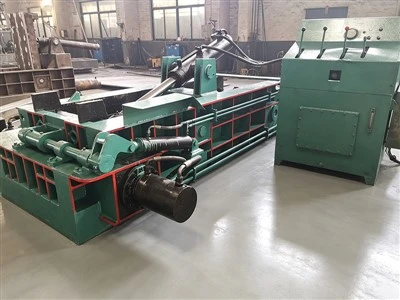
At the end of the day, modern baler shear safety features aren’t just about checking boxes for OSHA or other regulations. They’re about keeping the people who show up to work every day to do this tough, necessary job alive and unharmed. If you’re in the market for a baler shear, don’t just look at how much it can cut or how many bales it can make in an hour. Ask about these safety features, because they’re the ones that will make your site a better place to work. If you want to talk through what features fit your operation, don’t hesitate to reach out and connect for a chat—we can walk through your needs and find a machine that works for you.
Rebar Cutting Machine References
- Occupational Safety and Health Administration (OSHA). 2022. Safety and Health Guidelines for Recycling and Scrap Processing Industries. U.S. Department of Labor.
- Institute of Scrap Recycling Industries (ISRI). 2021. Safety Standards for Scrap Processing Equipment. ISRI Press.
- European Machinery Directive 2006/42/EC. 2020. Safety Requirements for Metal Processing Machinery. Official Journal of the European Union.
- American National Standards Institute (ANSI). 2019. ANSI B11.22-2019: Safety Requirements for Shears Used in Metal Processing. ANSI.
- Hydraulic Institute. 2020. Guidelines for Hydraulic System Safety in Heavy Machinery. Hydraulic Institute Publication.
Jiangyin Hangli Technology Co., Ltd.
Jiangyin Hangli Technology Co., Ltd. is one of the most professional baler shear manufacturers and suppliers in China. We are committed to providing high quality custom service and OEM service with low price. We warmly welcome you to buy high-performance baler shear for sale here from our factory. Also, pricelist is available.
Address: No. 11, Louxia Road, Zhouxi Village, Zhouzhuang Town, Jiangyin City, Wuxi City, Jiangsu Province, China
E-mail: sherry@hanglimachinery.com
WebSite: https://www.hanglirecycling.com/
