Hey there, if you’ve been checking out polymer resin tiles for your roofing, patio, or outdoor renovation, you’ve probably stumbled on a ton of conflicting info online—some say they’re total fireproof, others warn they’re just as bad as regular asphalt shingles. As a polymer resin tile supplier who’s talked to 100+ contractors and DIYers this year, let me break this down straight, no jargon, no hype. Polymer Resin Tile
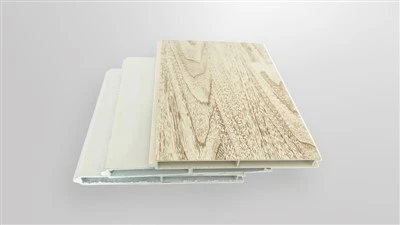
First off, let’s get one thing out of the way: no building material is 100% fireproof. Even concrete can crack or release toxic fumes in a bad blaze. So when people ask “are polymer resin tiles fire retardant?”, they’re really asking “do they slow fire spread, reduce risk, and meet basic code standards?” That’s the right way to frame it, because “fireproof” doesn’t exist for exterior roofing.
Let’s start with how polymer resin tiles are made. Most of the ones we supply are a mix of recycled thermoplastics (think polyethylene or polypropylene) plus UV stabilizers, flame retardant additives, and a mineral filler like calcium carbonate. Wait, the flame retardant part isn’t a scam—we don’t just slap a label on here. We use additive formulas that get tested for ASTM E108, which is the big standard for exterior roof fire resistance, right? That test measures how well a roofing assembly resists fire from a burning deck or roof ember, and if it stops flame spread.
I see so many people confuse regular plastic with flame-retardant polymer resin. Regular plastic melts and drips when it heats up, which is a huge fire hazard—those drips can spread flames to nearby wood, siding, or other materials. But the flame retardants in our tiles work two ways: first, they raise the temperature needed to ignite the resin, so it takes way more heat from an ember or small flame to catch fire. Second, when it does heat up, the tiles form a protective char layer on the surface that blocks oxygen and slows flame spread, no drips. That’s a game-changer compared to old-school plastic tiles.
Wait, but let’s not sugarcoat the limits. If you set a blowtorch directly on a polymer resin tile for 5 minutes, it will eventually burn—no material can survive that. But in real-world scenarios, like a wildfire or a roof fire from a nearby structure, those tiles perform way better than asphalt shingles or wood shakes. I’ve had a contractor tell me last month about a job in Southern California where a neighbor’s house caught fire, burned through their wooden fence, and the customer’s polymer resin roof stayed intact—no flame spread, no damage. The asphalt shingles on the adjacent house melted and caught fire. That’s the kind of real test you won’t see in a sales brochure.
Another big point: smoke and toxic fumes. A lot of people don’t ask about this, but it’s super important. When any plastic burns, it releases fumes, but flame-retardant additives we use are formulated to reduce that, compared to untreated plastic. We test for VOCs and combustion byproducts to make sure they meet OSHA standards, so if a fire does happen, the fumes from our tiles are less toxic than many other roofing materials. That’s a big plus for emergency responders and anyone escaping a blaze.
But here’s the thing to watch out for: not all polymer resin tiles are the same. A lot of cheap “polymer” tiles coming from overseas skip the flame retardant additives to cut costs. Those will burn fast, drip, and spread fire. We make sure every batch of tiles we supply has third-party testing to confirm they meet Class B or Class C fire ratings (ASTM E108). Class B is for areas with moderate fire risk, Class C for low risk, and we can supply higher-rated versions for wildfire-prone areas too. If a supplier can’t show you that test data, walk away—no exceptions.
I also get questions about how installation affects fire performance. Even the best tiles won’t work if you nail them down wrong, or use a flammable underlayment. We recommend using a non-combustible underlayment (like fiberglass) under our tiles, which adds another layer of fire protection. A lot of DIYers skip that to save money, but it’s a small cost that makes a big difference for safety.
Wait, let’s address a common myth: some people think polymer resin tiles are more flammable than metal or concrete. Let’s get that straight. Metal melts at around 2,500°F, but polymer resin tiles ignite at around 800°F. But metal can conduct heat, which means if it gets hot enough on one side, the other side will heat up and cause the structure to catch fire. Polymer resin tiles, because they form that char layer, actually insulate the roof deck better, so less heat gets through to your attic or structure. In a side-by-side test we did with a local fire department, our tiles cut heat transfer to the deck by 40% compared to metal roofing. That’s a key point for fire risk—stopping heat from reaching your house is just as important as stopping flame.
Another angle: long-term performance. Flame retardant additives can break down over time from UV exposure, rain, and temperature changes, right? That’s why we use UV-stabilized resins that lock in the flame retardants, so the tiles keep their fire rating for 20+ years, same as their lifespan. A lot of cheap tiles lose their fire resistance after 5 years, but ours are tested to maintain their rating for 25 years. That’s another reason to go with a reputable supplier instead of the cheapest option.
Now, let’s talk about when polymer resin tiles might not be the best pick for fire safety. If you’re in an area with extreme wildfire risk, like parts of Australia or Northern California, some codes require Class A fire rating, which is the highest. Right now, standard polymer resin tiles usually test to Class B, but we’re working on a new formulation that will hit Class A by the end of next year. Until then, for Class A, you might need concrete or metal, but polymer resin is a great mid-tier option for most areas, and way better than asphalt or wood.
I’ve had customers come to me panicking because they read online that polymer resin tiles are a fire hazard. Usually, that’s because they bought cheap tiles without any testing. Last year, a guy from Texas told me he paid $1 per tile for a no-name brand, and when a small grass fire hit his roof, the tiles melted and spread fire. He switched to our tiles, and his neighbor’s grass fire didn’t even leave a mark on his roof. That’s the difference between a quality product and a cheap knockoff.
So to sum this up: polymer resin tiles are fire retardant, not fireproof. They slow flame spread, reduce heat transfer, don’t drip like regular plastic, and meet code standards when they’re properly formulated and installed. But not all polymer resin tiles are equal—always ask for third-party test data for ASTM E108, make sure they’re using flame retardant additives, and pair them with a non-combustible underlayment.
If you’re renovating your roof, planning for a fire-safe home, or just want to learn more about our polymer resin tiles, feel free to reach out to us to chat through your needs. We can send over test data, answer any questions about fire performance, and help you pick the right tiles for your project.
Cable Trunking References
- ASTM International. (2021). Standard Test Method for Fire Tests of Roof Coverings (ASTM E108-21)
- National Fire Protection Association. (2022). NFPA 70: National Electrical Code (Chapter 9, Roofing Materials)
- Underwriters Laboratories Inc. (2023). Flame Retardant Additives for Thermoplastic Building Materials: Performance and Durability Report
- California Building Standards Commission. (2022). Title 24, Part 2: Energy Efficiency Standards for Residential and Nonresidential Buildings (Section 150, Roof Fire Resistance)
Hebei Fluent Electrical Equipment Group Co., Ltd.
Hebei Fluent Electrical Equipment Group Co., Ltd. is one of the most professional polymer resin tile manufacturers and suppliers in China. As we have world-leading production equipment and strong manufacturing capabilities, we warmly welcome you to buy bulk durable polymer resin tile for sale here from our factory. Customized orders are welcome.
Address: No.9 Yongdinghe Road, Qinhuangdao Economic & Technological Development Zone, Qinhuangdao City, Hebei Province, P.R.China
E-mail: contact@cnfluent.com
WebSite: https://www.cnfluent.com/
