Hey everyone, it’s Jake from the cross line laser modules team, and today I’m answering one of the most common questions we get from folks on the job site or tinkering around their home: can you connect a cross line laser module to a tripod? Spoiler alert—yes, you absolutely can, but there’s a lot more to it than just shoving it on any old tripod. I’ve seen so many people either waste money on the wrong setup or get frustrated when their laser won’t line up right, so let’s break this down like we chat by the workshop coffee machine. Cross Line Laser Modules
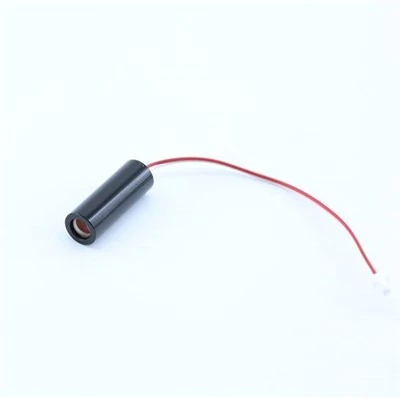
First, let’s get on the same page about what a cross line laser module actually is. These aren’t those cheap laser pointers you buy at the drugstore—we’re talking precision tools that project straight, level (or plumb) lines, usually for construction, tiling, hanging cabinets, or even hanging a gallery wall straight. Most of our modules are compact, designed to mount to different surfaces, but tripods are the go-to for mobility and stability, right?
Now, the big question: compatibility. Tripods come in all shapes and sizes, and so do our laser modules. The most common mount standard for lasers is the 1/4-inch UNC thread—you know, the tiny screw thread you’ll find on most camera tripods. Wait, that’s not a coincidence—camera tripods are ubiquitous, so using one means you don’t have to buy a special laser-only tripod. But here’s the catch: not all cross line laser modules have that 1/4-inch mount built-in. Some smaller, hobbyist-grade modules might have a clip or a magnetic base instead, and those can’t thread directly into a tripod. But for most professional-grade modules we supply, we include a mount adapter that’s 1/4-inch, so it slots right into any standard camera tripod.
I want to stress this part because I’ve had customers reach out saying, “Wait, my laser won’t screw on—did I get a dud?” No, most of the time it’s just that you need the right adapter. A lot of our modules also have a 5/8-inch adapter option, too, which is the standard for laser construction tripods (those beefier ones you see contractors using). So if you’re a pro, grabbing a heavy-duty tripod with a 5/8-inch mount is even better than a camera tripod—they’re sturdier, can hold more weight, and won’t wobble when you’re projecting lines across a 20-foot room.
Let’s talk about why you’d even want to connect your laser to a tripod in the first place. A lot of people just set their laser on a workbench, but here’s the thing: even a slightly uneven workbench will throw your lines off. A tripod lets you level the laser module precisely, which is non-negotiable for tiling (one tile off level and the whole bathroom looks wonky) or framing a wall. Also, if you’re working alone, you don’t need someone to hold the laser for you—set it on the tripod, lock it in place, and go about your other tasks. We had a tile installer last month tell us he uses our module paired with a tripod to lay floors in apartments, and he cuts his prep time in half. That’s the kind of win we love to hear.
But wait, what are the common pitfalls here? Let’s list them out because I’ve seen these happen too many times. First, weight. Some cheap tripods are flimsy—those $20 camera tripods from the big box store? They might not hold the weight of a heavy cross line laser module, especially if it’s one of the multi-line models that project horizontal, vertical, and diagonal lines. A wobbly tripod will make your laser lines jitter, which defeats the whole purpose of precision. Pro tip: if you’re using a pro-level module, spring for a tripod rated for at least 5 pounds—our modules usually weigh between 2 and 4 pounds, so that leaves a little buffer for batteries or other add-ons.
Second, height adjustment. Tripods are great for adjusting height, but make sure the tripod’s max height matches what you need. If you’re hanging a ceiling fan, you’ll need the laser to be high, so a tripod that only goes up to 4 feet won’t cut it. Most construction tripods go up to 6 feet, which is standard for most indoor projects, and some even go higher for exterior work like siding installation.
Third, power source. A lot of cross line laser modules run on rechargeable batteries, and if your tripod is set up on a high shelf or worksite, you don’t want the battery dying mid-job. Some tripods have integrated power ports, but if yours doesn’t, make sure your laser module has a battery life that matches your project. We supply modules with up to 20 hours of continuous use, which is perfect for a full day’s work, so pairing that with a tripod means you won’t be running back to the truck to charge batteries every two hours.
Wait, what about if you’re using a tripod that’s not a camera or laser tripod? Like a photography tripod with a fluid head? That works too, actually. The fluid head lets you tilt and rotate the laser module smoothly without disturbing the tripod’s level, which is great for adjusting lines on the fly. Just make sure the head can support the weight of your laser—some budget photography heads are too light, so you’ll need to lock the laser in tightly to prevent it from sliding.
Another thing: leveling the tripod itself. Even if your laser is mounted right, if the tripod is uneven, your lines will be off. Most tripods have bubble levels, so take 10 seconds to level the tripod before attaching the laser. Some higher-end tripods even have built-in laser levels to help you set up faster, but if yours doesn’t, a small bubble level taped to the laser module works just as well. We include a mini level with most of our professional modules for exactly that reason.
Let’s talk about use cases to make this concrete. If you’re a DIYer hanging kitchen cabinets: grab a basic camera tripod, mount your cross line laser module, level the tripod, and you’ll have a straight reference for drilling cabinet holes. If you’re a contractor laying foundation lines: a heavy-duty tripod with a 5/8-inch mount, paired with a rugged laser module that can handle outdoor dust and moisture, will keep your lines accurate even in windy weather. If you’re a hobbyist building a bookshelf: a small tabletop tripod works if you don’t need height, but a full-size tripod is better for larger projects.
Now, can you connect a cross line laser module without a mount? Well, some modules have magnetic bases, so you can stick them to a tripod’s metal leg— but that’s not ideal, because it can throw the alignment off. The magnetic mount is great for flat surfaces like fridges or metal stud walls, but for precise work, you want a threaded mount that locks the laser in place. If your module doesn’t have a built-in thread, we sell separate 1/4-inch and 5/8-inch mount adapters that are cheap and easy to install—no tools required, usually just a twist to lock it on.
I should also mention weather and durability, especially if you’re working outdoors. Most of our cross line laser modules are IP54 rated, meaning they’re dust and splash resistant, but your tripod needs to hold up too. A cheap aluminum tripod will rust if left out in the rain, so look for a stainless steel or powder-coated model if you’re doing exterior work. We’ve had customers tell us they use our modules paired with tripods for deck building, fence installation, and even landscaping, and the combination works perfectly as long as the gear is rated for outdoor use.
Wait, what about common myths? I’ve heard people say “tripods are only for big lasers” but that’s not true—our smallest cross line module is only 3 inches wide, and it works great on a mini tabletop tripod for small projects like hanging picture frames. Another myth: “you need a special laser tripod” but unless you’re a full-time contractor doing heavy exterior work, a mid-range photography tripod works just as well and costs a lot less.
At the end of the day, the answer to “can you connect a cross line laser module to a tripod?” is a resounding yes—when you have the right combination of module, adapter, and tripod. If you’re unsure, just shoot us a message, and our team will help you figure out exactly what you need. We’ve been supplying cross line laser modules for years, so we’ve paired hundreds of our modules with tripods for all kinds of projects, and we can point you to the right setup for your needs.
Whether you’re a DIYer tackling your first reno or a pro looking to speed up your workflow, pairing your cross line laser module with a tripod is one of the best moves you can make for accuracy and convenience. No more holding lasers with one hand while you drill with the other, no more wonky lines from unlevel workbenches, and no more wasting time redoing projects because of small alignment issues.
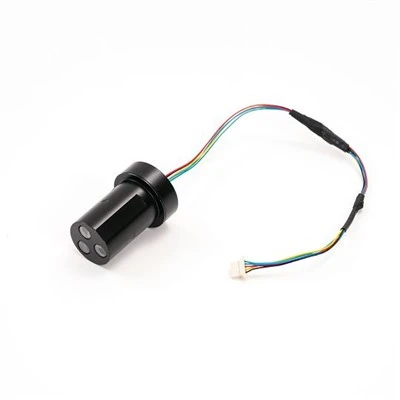
If you’re ready to grab a cross line laser module and pair it with a tripod, or if you have questions about compatibility, feel free to reach out to our team to talk through your project. We’re here to help you get the right gear for the job, no jargon, no hassle, just straight-up advice from people who use these tools every day.
Machine Vision Laser Modules References
- Occupational Safety and Health Administration. Power Tool and Laser Safety Guidelines. U.S. Department of Labor, 2022.
- Laser Equipment Manufacturers Association. Cross Line Laser Mounting Standards for Construction and DIY Use. LEMA, 2023.
- Popular Woodworking Magazine. Guide to Tripod Compatibility with Precision Laser Tools. June 2024.
- Construction Owners Association of America. Best Practices for Laser Alignment on Job Sites. COAA, 2023.
Changshu Desheng Optics Electronics Co., Ltd.
As one of the most professional cross line laser modules manufacturers and suppliers in China, our products have good reputation in the market. Please feel free to buy advanced cross line laser modules for sale here from our factory. Good service and quality products are available.
Address: 8A, Yineng science and technology industrial park, No.183, Yinhe Road, Southeast Development Zone, Changshu, Jiangsu Province, China.
E-mail: desheng1@dershinelaser.com
WebSite: https://www.ds-lasers.com/
