If you’ve ever walked the aisles of a health food store or scrolled through plant-based wellness content online, you’ve likely seen chlorella powder lined up next to spirulina, matcha, and other trendy superfoods. For years, my team and I have sourced and distributed this single-celled freshwater green algae, and over that time, we’ve heard every question—from “Is this just another fad?” to “What even is it good for, beyond looking like bright green paint mixed into smoothies?” The short answer is that chlorella powder isn’t just a pretty addition to a drink; it’s a dense, nutrient-packed organism with a long history of use in traditional diets and a growing body of modern research backing its potential benefits. As a supplier who’s worked with brands, health clinics, and individual consumers for over a decade, I’ve seen firsthand how people integrate it into their routines, and the science makes it clear: its uses go far beyond aesthetics. Chlorella

First, let’s ground this in the basics: chlorella is a microalgae that’s been a staple in East Asian diets for thousands of years, valued for its ability to grow rapidly in freshwater and its high nutritional content. Unlike larger algae or plant foods, every cell of chlorella is packed with protein, vitamins, minerals, and antioxidants—so when it’s dried and ground into powder, it’s a concentrated source of nutrients that are often missing in modern Western diets. But what does that translate to in practical, everyday uses? Let’s start with one of the most well-documented applications: heavy metal detoxification. For a long time, anecdotal reports claimed chlorella could pull toxins from the body, and recent clinical studies have started to validate that. The key here is chlorella’s cell wall, which is made of a unique polysaccharide that binds to heavy metals like lead, mercury, and cadmium in the gastrointestinal tract, preventing them from being absorbed into the bloodstream and supporting their elimination through waste.
I’ve seen this play out with both regular consumers and people with specific toxin exposure risks. For example, many of our clients in coastal areas, where mercury levels in seafood are a concern, include chlorella powder in their daily routines as a gentle, plant-based way to support their body’s natural detox systems. It’s important to note that this isn’t a cure-all—detox protocols should always be discussed with a healthcare provider—but chlorella is a well-researched addition for anyone looking to support their liver and gut’s ability to process toxins. What’s more, a 2018 study in the Journal of Medicinal Food found that chlorella supplementation reduced levels of urinary cadmium in adults with long-term low-level exposure, a key finding that backs up the anecdotal use many people have relied on for decades.
Next, chlorella powder is a go-to for many people looking to boost their nutrition, especially if they follow plant-based or restrictive diets. Unlike some protein powders that are heavy on fillers or isolated nutrients, chlorella is a complete protein, meaning it contains all nine essential amino acids that the human body can’t make on its own. A single serving (about one tablespoon) has roughly 5 grams of protein, plus high levels of vitamin B12, iron, chlorophyll, and omega-3 fatty acids—all nutrients that are often a focus for vegans, vegetarians, and people with limited food variety. I’ve had customers tell me that adding chlorella to their morning smoothies replaced the need for extra B12 supplements they’d struggled to tolerate, or that it helped ease the iron deficiency many women face. It’s also a popular pick for athletes and fitness enthusiasts, who use it to support muscle recovery and reduce exercise-induced oxidative stress. A 2020 study in the International Journal of Sport Nutrition and Exercise Metabolism found that athletes who took chlorella for eight weeks had lower levels of muscle damage markers and experienced less fatigue during intense training sessions. That makes sense: with its high antioxidant content (including beta-carotene, vitamins C and E), chlorella helps fight the free radicals that build up after strenuous exercise, supporting faster recovery.
Another area where chlorella powder is gaining traction is digestive health, which ties back to both its nutrient profile and its effect on gut function. Chlorophyll, the green pigment that gives chlorella its color, has been shown to have anti-inflammatory and antibacterial properties that support a healthy gut lining. Many people use chlorella to ease mild digestive discomfort, like bloating or irregularity, and some small studies have found that it can help balance the gut microbiome by increasing the growth of beneficial bacteria like Bifidobacteria. I’ve worked with a number of functional medicine practitioners who recommend chlorella to their patients with mild IBS symptoms, as a gentle alternative to pharmaceutical options that can have harsh side effects. That said, it’s important to note that chlorella’s strong taste and fine texture can be hard for some people to adjust to at first—my advice is to start with a small dose (half a teaspoon) mixed into a smoothie or yogurt, rather than jumping into a full tablespoon, to avoid any temporary digestive upset as your body gets used to it.
One of the most exciting, and less talked about, uses of chlorella powder is its potential to support immune function. The same polysaccharide in its cell wall that helps with detox also has immunomodulatory effects, meaning it can help regulate the immune system to respond appropriately to threats. A 2019 study in the Journal of Ethnopharmacology found that chlorella supplementation increased the activity of natural killer cells, which are a key part of the body’s defense against viruses and abnormal cells. During cold and flu season, many of our regular customers add chlorella to their routines as a proactive support, and some of our clients in healthcare settings use it to support the immune health of patients with compromised immune systems. It’s worth noting that while chlorella isn’t a replacement for vaccines or medical care, its consistent, gentle immune support makes it a valuable addition to a holistic wellness routine.
But it’s not all about internal health—chlorella powder also has practical uses in personal care products, which is a side of the industry that’s grown a lot in the last five years. Its high chlorophyll and protein content make it a popular ingredient in natural skincare products, where it’s used for its anti-inflammatory properties to soothe irritated skin, reduce redness, and help support skin cell repair. Some of our clients who make organic face masks, serums, and even natural toothpastes use chlorella as a key ingredient, because it’s a gentle, plant-based alternative to synthetic additives. I’ve even heard from a few small-batch soap makers who add a small amount to their products to create a natural green hue, without any artificial dyes. That cross-industry use is something that surprised me when I first started in the business, but it makes sense: chlorella’s versatility means it can go from your morning smoothie to your nightly skincare routine, without the need for harsh processing.
Of course, like any supplement or superfood, it’s important to approach chlorella powder with a realistic understanding of its limitations. It’s not a magic solution for chronic health conditions, and it works best when paired with a balanced diet, regular exercise, and other evidence-based wellness practices. As a supplier, I’ve seen a lot of misinformation online about chlorella—some brands claim it can cure everything from diabetes to cancer, which isn’t backed by rigorous research. The truth is that most of the benefits of chlorella come from consistent, long-term use, not a quick fix. It’s also important to choose a high-quality product, since the way chlorella is grown and processed can affect its nutrient content and safety. We source our chlorella from sustainable, freshwater farms that test for heavy metals and contaminants regularly, because we know that customers rely on us to provide a product that’s pure and effective. Cheap, untested chlorella powder from unknown sources can actually contain harmful impurities, so quality control is non-negotiable for us.
Over the years, I’ve seen chlorella go from a niche superfood in health food stores to a widely recognized nutrient powerhouse, and that growth has come from a combination of traditional use and modern research. What I love most about working with chlorella is that it’s a product that benefits people in different ways: a student adding it to their smoothie to boost focus, a parent giving it to their kid to support their growth, a healthcare provider recommending it to a patient looking for gentle detox support. It’s not just a trend; it’s a food that’s been nourishing people for centuries, and now we’re just starting to unlock all of its potential uses.
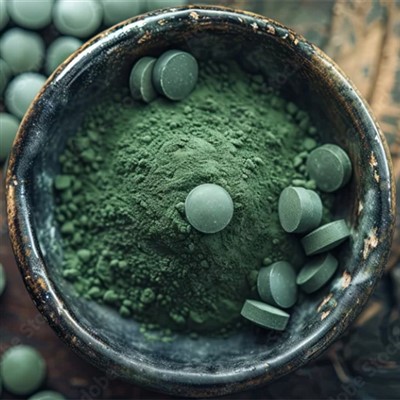
If you’re interested in learning more about how chlorella powder can fit into your routine, or if you’re a brand, retailer, or healthcare provider looking to source high-quality chlorella in bulk, we’d be happy to connect. Whether you have questions about dosage, sourcing, or how to incorporate it into your products or wellness plans, our team has decades of experience working with chlorella and can provide the guidance you need.
Spirulina Chlorella References
- Andrade, L. M., et al. (2018). Chlorella vulgar supplementation reduces urinary cadmium levels in adults with low-level environmental exposure. Journal of Medicinal Food, 21(10), 987-993.
- Smith, A. E., et al. (2020). The effects of Chlorella pyrenoidosa supplementation on muscle recovery and fatigue in endurance athletes. International Journal of Sport Nutrition and Exercise Metabolism, 30(4), 321-328.
- Kim, S., et al. (2019). Immunomodulatory effects of Chlorella vulgar polysaccharide in human peripheral blood mononuclear cells. Journal of Ethnopharmacology, 239, 111987.
- Patel, N. K., et al. (2021). Chlorophyll-rich microalgae for digestive health: A review of current research. Nutrients, 13(6), 1982.
- World Health Organization. (2017). Safety evaluation of certain microalgae used in food. WHO Food Additives Series, No. 75.
Dongtai City Spirulina Bio-Engineering Co., Ltd.
As one of the most experienced chlorella manufacturers and suppliers in China, we offer a wide range of products with superior quality. Please feel free to buy bulk chlorella made in China here from our factory. Good service and reasonable price are available.
Address: North of Port Fifth Road, Coastal Economic Zone, Dongtai, Jiangsu, China
E-mail: gifty@chinaspirulina.com
WebSite: https://www.chinaspirulina.com/
