If you’ve ever wandered a metal supply yard, ordered custom metal parts online, or even had a chat with a local machinist about sourcing materials, you’ve probably heard the age-old question: Is carbon steel better than iron? As a carbon steel supplier with 12 years in this trade, I get this question at least a dozen times a week—sometimes from first-time fabricators, sometimes from seasoned artisans who’ve been working with metal longer than I’ve been in the business. The short answer isn’t a straight yes or no, but that’s the magic of it: “better” here depends entirely on what you’re building, how you need it to perform, and how much time and money you’re willing to invest in upkeep. Let’s break this down like I would over a coffee with a customer, no stuffy jargon, just real-world metal facts that’ll help you make the right call. Carbon Steel

First, let’s get the basics straight because so many people mix these two up. Pig iron is the first byproduct of smelting iron ore with coke and limestone—think of it as the raw, unrefined foundation. It has a carbon content of 2% to 4.5%, plus high amounts of silicon, sulfur, and other impurities that make it brittle as a dry twig. Drop a cast iron skillet on a concrete floor and you’ll see what I mean: it won’t bend, it’ll crack. Wrought iron, by contrast, is almost pure iron (less than 0.08% carbon) with tiny slag inclusions that give it a fibrous, grainy look. It’s soft, easy to bend, and was the go-to for fences, gates, and railings for centuries.
Carbon steel is where it gets interesting. It’s iron with a controlled amount of carbon—between 0.08% and 2%—and almost none of the extra impurities that make pig iron crumbly. That controlled carbon is the secret sauce. Unlike wrought iron, which is so soft it bends out of shape if you put any real stress on it, carbon steel has just enough carbon to hold its strength. Unlike pig iron, it’s not so brittle that a small impact will shatter it. But not all carbon steel is the same, which is another point I have to hammer home with customers: low, medium, and high carbon steel each has its own superpower.
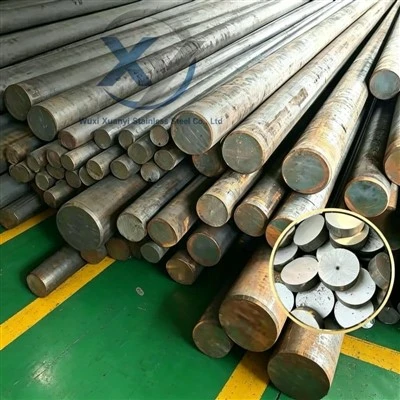
Low carbon steel (up to 0.3% carbon) is the workhorse of the construction industry. It’s cheap, easy to weld, form, and cut—perfect for structural beams, rebar, car body panels, and pipes. I once had a customer who builds custom garden pergolas swearing by low carbon steel because it’s lightweight enough to lift on his own, but strong enough to hold up a 10×12 foot roof. Medium carbon steel (0.3% to 0.6% carbon) is tougher, harder than low carbon, so it’s used for things like gears, axles, and hammer heads—parts that need to handle friction and pressure. High carbon steel (0.6% to 2% carbon) is the stuff of knives, springs, and cutting tools. It’s extremely hard, but more brittle than lower grades, so it needs to be heat-treated to balance hardness and durability.
Now, comparing this to wrought iron—what are the real-world differences? Wrought iron was the standard for decorative metalwork for hundreds of years, and it still has a loyal following for fences and gates. But here’s the catch: wrought iron has almost no carbon, so it’s soft and prone to rust if you don’t coat it properly. It also has a lower tensile strength than even low carbon steel, so a wrought iron gate will bend over time if it’s in a windy area or loaded with snow. Carbon steel, even low grade, is way stronger for the same weight. That means you can use thinner carbon steel tubing to build a fence that’s just as strong as a thicker wrought iron one, saving you money on material and installation time.
But wait—wrought iron does have one big advantage that carbon steel can’t match for certain jobs: it’s more malleable when hot. Blacksmiths love working with wrought iron because they can bend it into intricate scrolls and curves without needing special tools, whereas high carbon steel would crack if you tried to bend it that thin when hot. If you’re making a custom, decorative iron gate with lots of detailed curves, wrought iron might still be the better pick—for now. But even that’s changing: modern carbon steel can be formed into complex shapes too, and it holds its form better once installed. I had a blacksmith customer last year who switched to medium carbon steel for his gates because the wrought iron he was using kept bending after a year of sun and rain, and he had to repair half his orders.
What about durability? Let’s talk rust, because that’s the biggest enemy of both iron and steel. Wrought iron and carbon steel are both iron-based, so they rust when exposed to moisture and oxygen. But the rate of rusting is different. Wrought iron has a higher purity, so its rust forms a thicker, more protective layer that slows down further corrosion. Wait—no, hold on, that’s an old myth I need to correct. Recent studies actually show that carbon steel with proper coating rusts at a similar rate to wrought iron, but if you don’t coat it, uncoated carbon steel rusts faster because of the small amount of carbon. But here’s the thing: carbon steel is way easier to coat and maintain. You can prime it and paint it in half the time it takes to coat thick wrought iron, and it doesn’t have those fibrous slag lines that can trap moisture and cause rust to form under the paint. Cast iron (pig iron’s refined cousin) is even more rust-resistant because it forms a dense, stable rust layer, but it’s only useful for things like engine blocks and skillets.
Another big factor: cost. For most commercial and industrial uses, carbon steel is cheaper than wrought iron. Wrought iron production is more labor-intensive—it requires multiple heating and rolling steps to remove impurities, so it’s rare and more expensive. Low carbon steel, on the other hand, is mass-produced, readily available, and affordable. If you’re building a 50-foot bridge, a warehouse frame, or 1000 feet of fencing, carbon steel will save you a lot of money compared to wrought iron. For small, custom jobs, wrought iron might make sense if you value the traditional look, but for large-scale projects, carbon steel is the clear winner for cost and performance.
Let’s talk about real-life use cases to make this concrete. A few months ago, I had two customers come to me for metal materials. One was a local farmer who needed posts for a 10-acre fence to keep cattle in. The other was a hobbyist making a custom metal wine rack for his kitchen. The farmer wanted something strong, cheap, and easy to install—so we recommended low carbon steel rebar and tubing. It’s strong enough to hold a 10-foot fence line, won’t bend under the weight of cattle, and he could drive the posts himself with a post driver, no special tools. The hobbyist, though, wanted a decorative rack with thin, curved bars that would look vintage. We pointed him to wrought iron for the curved parts, and a small amount of high carbon steel for the structural frame—since it’s thin, looks old-school, and holds its shape better than wrought iron for small, precise parts. That’s the perfect example: there’s no “better” material, just better for the job.
Wait, but what about when people say wrought iron is more aesthetic? That’s true for some classic designs, but modern carbon steel can be finished to look like wrought iron, even with a rusted patina for that old-fashioned look. We’ve had customers order medium carbon steel, leave it uncoated for a few months to develop a rust patina, then seal it with a clear wax to keep the look for years. It’s cheaper than wrought iron, has the same vintage look, and is way more durable. I saw a restaurant’s exterior fence made this way last year—looked like it had been there for 50 years, but it’s only two years old and has required zero repairs. That’s the kind of value carbon steel delivers that a lot of old-school artisans don’t talk about.
Another common question: what about welding? If you’re a fabricator, welding is half the job. Wrought iron is easy to weld, but it requires higher heat and specific rods because of its low carbon content. Carbon steel, especially low and medium grades, welds seamlessly with standard MIG or TIG welders, which are the tools most fabricators already own. That saves time and money on equipment and training. High carbon steel is trickier to weld because it’s more prone to cracking, but most fabricators don’t work with high carbon for structural jobs anyway—it’s for tools, not beams.
Let’s clear up one more myth: cast iron is a type of iron, not steel, so it’s out of the running for most of these comparisons. Cast iron has carbon content over 2%, and it’s super hard, but brittle. You can’t bend a cast iron engine block, and it’ll crack if you drop it. That’s why it’s used for things where hardness is more important than flexibility, like engine parts or heavy skillets. It’s not a substitute for carbon steel in construction or manufacturing.
So going back to the original question: Is carbon steel better than iron? The answer depends entirely on your needs. If you need:
- Strength for structural or high-stress jobs: Carbon steel, no contest. It’s stronger, cheaper, easier to work with, and more reliable for things that need to hold weight or handle pressure.
- Intricate, decorative, hand-shaped work that you want to do over an open fire: Wrought iron might be a better fit, though modern carbon steel is closing the gap.
- Low cost for large-scale projects: Carbon steel is almost always the better choice.
- High durability with minimal upkeep for outdoor uses: Carbon steel can be coated easily, making it just as durable as wrought iron, with lower long-term maintenance.
As a carbon steel supplier, I’ll never push a customer to buy my product if it’s not the right fit. If someone comes to me wanting a custom hand-forged gate with dozens of intricate curves, I’ll be the first to tell them wrought iron is probably the way to go—even if that means referring them to a blacksmith friend of mine. But if they need fence posts, structural beams, automotive parts, or any job that demands strength, affordability, and reliability, carbon steel is the material I’ll recommend without hesitation.
The metal industry has come a long way since wrought iron was the only game in town. We’ve refined carbon steel to be more flexible, more durable, and more accessible than ever before. But that doesn’t mean wrought iron is obsolete— it’s just found its niche, just like carbon steel has found its niche as the go-to material for most modern applications. The key is knowing which material works for your specific job, not buying into the old “iron vs. steel” hype that ignores the realities of strength, cost, and upkeep.
If you’re not sure which material is right for your next project, I’m here to help. Whether you’re a farmer needing fence posts, a fabricator needing structural steel, or a hobbyist building a custom piece, we can walk through your needs, go over grades and prices, and make sure you get the right material for the job. Reach out to us to discuss your requirements, and let’s build something strong, long-lasting, and tailored to your needs.
Pipe References
ASTM A36 Standard Specification for Carbon Structural Steel
ASM International. (2019). Properties and Selection: Irons, Steels, and High-Performance Alloys.
The Fabricator. (2021). Wrought Iron vs. Carbon Steel: What’s Right for Your Project?
USDA Agricultural Resources. (2020). Metal Fencing for Livestock: Material Selection Guide.
Wuxi Xuanyi Stainless Steel Co., Ltd.
Wuxi Xuanyi Stainless Steel Co., Ltd. is one of the most professional carbon steel manufacturers and suppliers in China. With abundant experience, we warmly welcome you to wholesale bulk durable carbon steel made in China here from our factory. If you have any enquiry about cooperation, please feel free to email us.
Address: 1207-1208, Building 11, Shengang Metropolis Plaza, No. 299 Fangcheng Avenue, Xinwu District, Wuxi City,China.
E-mail: jscherryxy@163.com
WebSite: https://www.xuanyisteel.com/
