Let’s cut to the chase—if you’ve ever stared at a stack of fence posts or a deck kit and wondered, “Wait, can my auger drill actually dig post holes?” you’re not alone. I get this question every single week, mostly from folks who call me up panicking because they rented a regular handheld drill for their backyard project and ended up with blisters so bad they could barely hold a coffee, or from small landscape crews who’re tired of wasting half a day digging 18-inch holes with a clunky post hole digger. As an auger drill supplier, I don’t just sell the gear—I’ve spent years walking customers through exactly what these things can (and can’t) do, so let’s get real about this: yes, an auger drill absolutely can dig post holes, but only if you pair the right auger with the right drill, and you’ve got the basics down. No gatekeeping, no fancy engineering jargon, just what actually works for you. Auger Drill
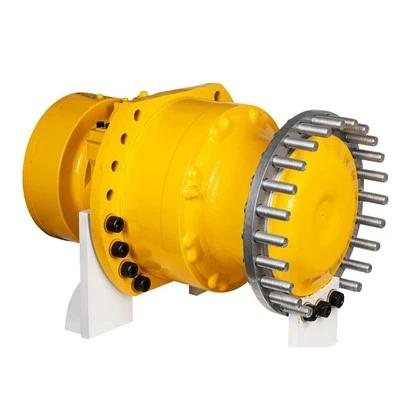
First, let’s clear up the biggest mix-up most people make: auger drills aren’t just the big, intimidating industrial ones you see at construction sites. A lot of new customers roll in thinking “auger drill” equals the massive tractor-mounted thing that digs holes so deep they can fit a small kid, but no—we’ve got options for every project, from a single mailbox post to 50 holes for a new side yard fence. Let’s break down what actually makes an auger good for post holes. It all starts with the auger bit, which is the metal cutting part that twists into the ground. If you grab a standard general-purpose auger (the one you’d use for drilling small holes in soft dirt or planting trees) and try to dig a post hole with it, you’re gonna have a bad time. Those bits are usually narrow, shallow, and don’t have the right flighting—the spiral metal part that carries dirt up and out of the hole. For post holes, you need an auger bit specifically designed for that job, which is wider (usually 6 to 12 inches in diameter, perfect for standard fence posts, deck posts, or mailbox posts) and has flighting that’s tightly wound enough to pull loose dirt out without dropping it back into the hole as you drill. Trust me, I’ve had customers show up with the wrong bit and end up with half the dirt back in the hole—total waste of time.
Next, the drill itself. You can’t just grab any drill and attach an auger bit. A standard handheld cordless drill (the one you use to hang shelves) doesn’t have enough torque—that’s the twisting power—to spin a heavy auger through packed dirt, clay, or even rocky soil. I always tell customers: if you’re doing a small project, like 5 to 10 holes for a mailbox or a small patio, a mid-sized corded impact drill (1/2-inch chuck, at least 700 ft-lbs of torque) works fine. But if you’re doing a bigger job—like a 50-foot fence line with 20+ posts, or digging holes in hard clay or slightly rocky ground—you need an actual auger power head, the machine that the auger bit attaches to. These are a step up from regular drills, built to handle the constant twisting force of digging through dense soil, and they come in both corded and portable battery-powered models, so you don’t have to deal with a messy extension cord snaking through your yard. I had a guy call me last month who rented a regular drill for his 30-hole fence project; he got through 7 holes in 3 hours, burned out the drill’s motor, and had to rent a different one at 2x the price. Don’t be that guy.
Now, let’s talk about the fun part—actually using the auger drill for post holes, because it’s not just “stick it in the ground and pull the trigger.” I’ve seen people yank the drill too hard and end up with the auger sticking in the dirt, or spin it too fast and watch half the dirt fly everywhere. The sweet spot is slow, steady speed. Most auger power heads have a low-speed, high-torque setting for digging, which is exactly what you want. You don’t want to spin the bit fast like you’re drilling a hole in wood—slow and controlled is key. When you start, make sure the bit is perfectly vertical. If you lean the drill to the side even a little, you’ll end up with a crooked hole, and nobody wants a fence that leans like it’s doing the cha-cha. For most post holes, you only need to drill down 2 to 3 feet, right? Wait, hold posts in place, that’s the standard for most residential projects, adjust for frost lines if you’re in a cold area, no need to dig deeper than that unless you’re building a deck or something that needs extra stability.
But here’s the thing—auger drills aren’t perfect for every post hole job. I get this question all the time too: “Can I use an auger drill to dig post holes in rocky soil or tree roots?” Sort of, but not really. If you’ve got small rocks or thin surface roots, a sharp auger bit will cut through them no problem. But if you’re dealing with big, mature tree roots or bedrock within a few feet of the surface, an auger drill will struggle. You might break the bit, burn out the power head, or even hurt yourself if the bit hits something solid and yanks the drill out of your hand. For those cases, a post hole digger or a jackhammer is a better bet, and I always tell customers not to force the auger if it’s hitting something it can’t handle—sticking around to “muscle through it” just leads to broken gear or an injury, which is the last thing you want when you’re trying to get a project done.
Now, let’s talk about why so many people swear by auger drills for post holes, because it’s not just convenience. I had a customer last summer, a landscape contractor who used to hire two guys a day to dig post holes with traditional post hole diggers. He switched to our auger drill set, and he told me he cuts his post hole time by 75%—he can dig 20 holes in an hour, instead of 8 hours of two guys sweating through their shirts. That’s the big sell for most people: less time digging, less physical labor, no blisters, no sore backs for days. Even for residential users, if you’ve ever spent an hour digging one hole with a post hole digger, you know how brutal it is. An auger drill can do that same hole in 2 minutes tops.
Wait, but what about cost? A lot of folks think auger drills are super expensive, but let’s do the math. If you’re a homeowner doing one fence project every 5 years, renting an auger for a day is like $50-$100, which is way cheaper than hiring someone to dig the holes for you (that’s like $150+ an hour for landscaping labor). If you’re a small business doing multiple projects a year, buying a mid-quality auger power head is an investment that pays for itself in a few jobs. I’ve had customers come back and say that after one project, they use their auger drill for everything—planting trees, digging garden beds, even adding new posts to their porch later. It’s not a one-trick pony, which makes it even more worth it.
I should also mention a few common mistakes I see new auger users make, because nobody wants to mess up their project. First, not clearing dirt out of the hole as you go. If you keep spinning the bit without pulling it up every 6 inches or so, the dirt will pack into the flighting and make the auger heavier, which makes it way harder to pull out. Pull it up, knock the dirt off (or let it fall into the hole, wait no—actually, catch the dirt in a bucket or spread it as you go, so you don’t have to clean it out later), and keep going. Second, not wearing the right gear. Auger bits are sharp, spinning fast, so closed-toe shoes, work gloves, and even safety glasses are non-negotiable. Last year I had a guy who wore flip-flops and a loose hoodie; his hoodie string got caught in the auger, and he ended up with a nasty burn on his arm. Don’t skip the safety stuff. Third, not matching the auger size to your post. A standard 4×4 fence post needs a 6-inch diameter hole, a 6×6 deck post needs a 8 or 10-inch hole, and a mailbox post is usually a 6-inch hole. If you use a 4-inch auger for a 6-inch post, you’ll have a hole too small, and the post will wobble. It sounds obvious, but you’d be surprised how many people grab the wrong size bit.
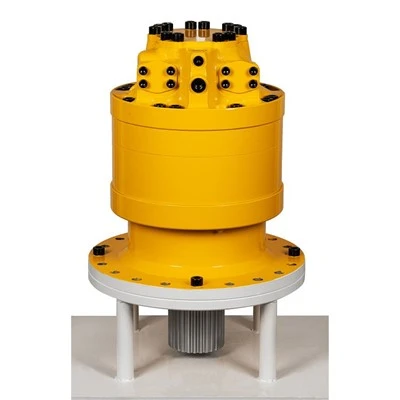
So, circling back to the original question: Can an auger drill dig post holes? 100% yes, as long as you get the right equipment, use it correctly, and don’t try to force it through stuff it can’t handle. It’s not some fancy industrial trick—it’s a tool that’s designed exactly for this job, and it’s saved millions of people hundreds of hours of backbreaking work.
Poclain Hydraulic Motor If you’re gearing up for a post hole project, whether it’s a small backyard job or a big commercial landscape, we’ve got you covered. We carry a range of auger bits, power heads, and all the accessories you need, and our team is always here to help you pick the right gear for your soil, your project size, and your budget. No pressure, no sales pitches—just straight talk about what’ll actually get your job done fast and right. If you’re ready to chat through your needs and get set up with the right auger drill for your post holes, don’t hesitate to reach out. We’re here to help make your project way less of a headache.
References
- American Society of Agricultural and Biological Engineers. (2021). Standard for Agricultural Post Hole Diggers: Performance and Safety Requirements.
- Landscaping Industry Association. (2022). Best Practices for Post Hole Preparation in Residential and Commercial Projects.
- Construction Equipment Guide. (2023). Portable Auger Power Heads: Capabilities and Limitations for Residential and Small-Scale Construction.
Ningbo Oushijie Hydraulic Transmission Co., Ltd.
Ningbo Oushijie Hydraulic Transmission Co., Ltd. is one of the most professional auger drill manufacturers and suppliers in China, also supports customized service. With abundant experience, we warmly welcome you to wholesale durable auger drill at competitive price from our factory.
Address: Changshi Sanxing Industrial Zone, Jiulong Lake Town,Zhenhai District, Ningbo, Zhejiang, China
E-mail: yong@nbosj.com
WebSite: https://www.nbosj.com/
