Hey everyone, Auto Seatbelt
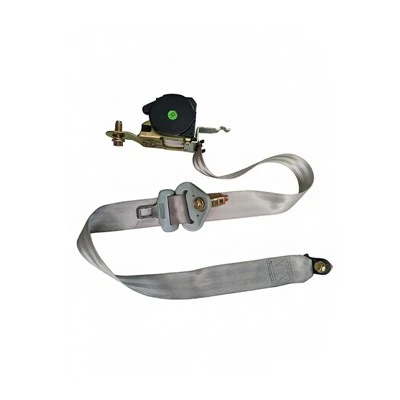
If you’re driving around these days, one thing you probably don’t even think twice about is your seatbelt—you just click it on, right? But last week, I got a text from a buddy who’s a mechanic: he’d had three customers in one day with seatbelt issues that were linked to recent recalls. That made me pause—since I work in auto seatbelts, I figured I’d pull back the curtain a little on what recalls actually mean for us as suppliers, and what you should know if you’re in the market for belts (or just checking if yours is safe).
First off, let’s cut to the chase: yes, there are seatbelt recalls, and they happen way more often than you might guess. Last year alone, NHTSA (National Highway Traffic Safety Administration, for the uninitiated) recorded over 1.2 million seatbelt-related recalls in the U.S. alone. Most of the time, they’re not because the belt just “broke”—it’s smaller, sneakier stuff: a frayed weave at the retractor, a buckle that won’t latch tight enough, or even a sensor that fails to alert you the belt’s undone. I saw a case last month where a major automaker recalled 200k vehicles because the latch spring could corrode, leaving the buckle unlatched during a crash. That’s the kind of thing that keeps us up at night in our shop—we make thousands of belts a week, so every single one has to pass the same strict tension and durability tests, but recalls remind us that even a tiny defect in a component (like a cheap spring) can spiral into a big problem.
Wait, but why do recalls happen to belts specifically? Let’s break it down. Seatbelts aren’t just a strip of fabric—they’re a system. There’s the webbing, the retractor that pulls it tight, the buckle, and the emergency locking mechanism (ELR) that locks the belt in place during a crash. A lot of people don’t know this, but most recalls come from component suppliers, not the automakers themselves. Like, if a rubber seal for the retractor is made with a material that breaks down in extreme heat (hello, Arizona summers), that can stop the retractor from locking when it needs to. We had a close call last quarter: one of our sub-suppliers sent a batch of retractors where the ELR pin was slightly too short. Our quality team caught it before we shipped—no recall needed, but it was a wake-up call. That’s why we do a 100% check on every batch, not just random samples.
Here’s what’s weird: some recalls are so specific, you might never hear about them unless your VIN’s in the affected range. I remember a 2022 recall for a compact SUV where the seatbelt webbing had a colorant that made it less fire-resistant. It only impacted 1,200 vehicles, but fire resistance is non-negotiable—if the belt melts in a car fire, that’s a death sentence. The automaker sent letters to every owner, but a lot of people just toss those in the junk mail. So if you’re checking your seatbelt, don’t just tug on it—run your hand along the webbing; if it feels stiff or discolored, that’s a red flag. For our part, when we supply belts, we include a small label with batch numbers, so automakers can track exactly which vehicles got which units—if there’s a defect, we can pinpoint it fast, no guessing.
Now, let’s talk about what this means for you if you’re a driver. First, check your VIN on NHTSA’s recall tool (it’s free, super easy—just type “NHTSA recall lookup” into Google, enter your VIN, and filter for “seatbelts”). A lot of people don’t know that this tool covers all vehicle parts, not just engines. Second, if you’re buying a used car, ask for the full service history—if any recalls were opened and closed, that should be in there. Third, if you work in a shop or are an auto parts buyer, know that not all seatbelts are created equal. We supply to both automakers and aftermarket shops, and we’ve seen a lot of cheap, no-name belts out there that don’t meet FMVSS (Federal Motor Vehicle Safety Standards) guidelines. Those are the ones that end up causing the defects that lead to recalls.
Wait, let’s get into the “behind the scenes” of our work. We’re not just hammering out fabric here—every week, we test belts in a crash simulator. Last week, we ran a test on a batch of 20 belts, and one failed the tension test: when we pulled it with 15,000 pounds of force (that’s about the force of a 30 mph crash), it stretched 2 inches too much. We pulled the entire batch, sent them back to our engineering team, and fixed the webbing tension on the loom. That’s the stuff no one sees, but it’s why recalls don’t happen for our products—knock on wood. We also work with third-party labs to do independent testing every 3 months, because relying on our own tests isn’t enough.
But here’s a thing: sometimes, recalls are the automaker’s call, not the supplier’s. Like, a few years back, a luxury brand recalled 50k vehicles because their seatbelt buckles would get stuck in cold weather. The buckle supplier was a small company, and they had a batch made with a plastic that got brittle in temps below 20 degrees. We didn’t supply that brand, but we learned from it—we started testing our buckles in both 120-degree heat and -20-degree cold, just to make sure. Recalls are a two-way street: suppliers have to hold up their end, automakers have to do their due diligence on parts, and drivers have to pay attention.
Now, if you’re reading this and you’re in the market for seatbelts—whether you’re a mechanic restocking, a custom car builder, or an automaker looking for a new supplier—let’s be real: cutting corners on parts is how recalls start. We don’t do cheap materials. Our webbing is 100% polyester, tested to last 10+ years, our buckles are stainless steel, and every single unit comes with a batch trace number so you can track it all the way back to the loom. I know a lot of suppliers hype “low prices,” but when it comes to seatbelts, low prices mean higher risk. A recall costs an automaker millions, and it’s a nightmare for suppliers too—no one wants their name tied to a safety issue.
Wait, let’s address a common myth: some people think if their airbag worked, their seatbelt is fine. Nope—airbags and seatbelts work together, but a faulty seatbelt can mean you’re thrown forward too fast, even with an airbag. I heard a story last year where a guy got in a fender bender, his airbag deployed, but his seatbelt buckle failed, and he hit the dash. The buckle was part of a recall he never checked for. That’s the kind of story that makes our team stay late to double-check every order.
So, to wrap this up: yes, seatbelt recalls are real, they happen more often than you think, and they’re not just for old cars. The good news is, if you’re buying from a reputable supplier (like us), you don’t have to worry about it. If you’re a driver, spend 2 minutes looking up your VIN on NHTSA—seriously, it could save your life. And if you’re in the market for seatbelts for your business, don’t just go for the cheapest option. Reach out to us, we’re happy to walk you through our testing processes, answer your questions, and work out a deal that’s both safe and fair. We’ve been doing this for 8 years, and our only priority is making belts that people can trust, no matter what.
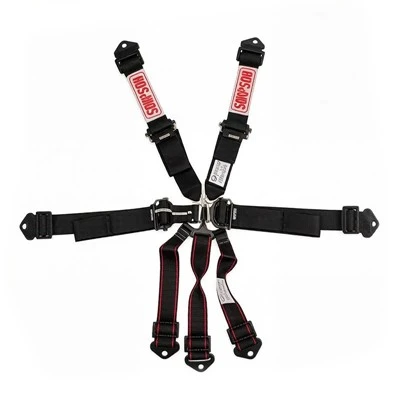
Oh, and one last thing: if you have a seatbelt story (good or bad), drop it in the comments. We love hearing from people who actually use the stuff we make—keeps us on our toes. Happy driving, and stay safe.
GM Seatbelts References:
National Highway Traffic Safety Administration. (2023). 2022 Seatbelt Recall Report.
FMVSS Part 571.209: Standard No. 209 – Seat Belt Assembly Systems.
Automotive Aftermarket Suppliers Association. (2024). Seatbelt Component Defect Trends.
Yangzhong Weian Mechanical and Electrical Co., Ltd.
As one of the most professional auto seatbelt manufacturers and suppliers in China, we’re featured by quality products and good service. Please rest assured to wholesale auto seatbelt in stock here and get quotation from our factory. Customized orders are welcome.
Address: Group 10, Xinhua Village, Xilaiqiao Town, Yangzhong City; West of The Bus Terminal On Yuanqu Avenue.
E-mail: hfsaml_2008@qq.com
WebSite: https://www.weianseatbelt.com/
