Hey there, folks. If you’ve ever stared at a bridge that feels solid as a rock, noticed those grid-like steel panels underfoot that keep you from slipping, and thought, “How the hell do they put those things on?” — you’re not alone. I’ve been in the stainless steel grating game for almost a decade now, and let me tell you, installing that stuff isn’t just hauling heavy metal panels and laying ’em down. There’s a method to the madness, especially when it’s for a bridge — one that’s got to hold up to rain, salt, snow, and all the wear and tear that comes with being out in the elements 24/7. I own a small stainless steel grating supplier, so I’ve worked hand-in-hand with bridge crews on more than a few of these projects, and I’m gonna walk you through what actually goes down when it’s time to get that grating on a bridge. No fancy, overcomplicated jargon — just real, on-site stuff that gets the job done right. Stainless Steel Grating
First off, before you even grab a wrench or lift a panel, you gotta do your homework. I can’t tell you how many times I’ve shown up to a job with the perfect grating only to find out the bridge frame was cut wrong or the measurements were off by a half-inch. That’s a rookie mistake. Start by measuring the bridge’s load-bearing frame — that’s the steel I-beams or support bars that the grating will sit on. Don’t just measure with a tape measure once; do it three times, front to back, side to side, even check the angle of the supports. Bridges aren’t always perfectly square, especially older ones, so if you just go off one measurement, you’ll end up with panels that don’t fit or gaps that’ll catch debris.
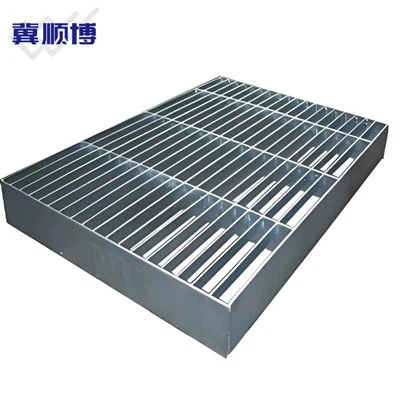
Next up, pick the right stainless steel grade and grating type. This isn’t your random backyard fence steel. For bridges, you need something that won’t rust, especially if it’s in a place where they salt the roads in winter or near the ocean (salt water eats regular steel alive). My go-to here is 316-grade stainless — it’s got more molybdenum, which makes it way more corrosion-resistant than the standard 304. And as for the grating type? Bar grating is the way to go for bridges. It’s those parallel steel bars connected by cross bars, right? It’s lightweight enough to lift but strong enough to handle foot traffic, vehicles, even heavy equipment if it’s a road bridge. Avoid perforated grating here — it’s slippery when wet, and on a bridge, you can’t have people sliding off.
Once you’ve got the measurements and materials sorted, prep the site. Bridge installations are messy, so safety first, duh. The crew needs harnesses, hard hats, non-slip boots, all that. They’ll block off the area so no one’s walking under the work zone, too — falling debris is no joke. Then they clean the support frame where the grating will sit. If there’s old rust, dirt, or leftover debris on the beams, the grating won’t sit flat, and over time, that’ll cause gaps or even panels shifting. I always tell the crews to use a wire brush or a pressure washer to get that frame nice and clean before they start laying anything down.
Now, the fun part — laying the grating. Wait, not exactly “fun,” but it’s the part that moves fast if you do it right. Start at the edge of the bridge, usually the side that’s easiest to access from the ground. You don’t wanna start in the middle and work out, because you’ll box yourself in. Lift each panel carefully — these things are heavy, so use a crane or a lift, not just two guys straining. Set each panel into the support frames, and make sure the edges line up flush. No sticking out past the beams, no gaps between panels. A good rule of thumb here: the gap between two adjacent panels should be less than a quarter-inch. Any bigger, and small objects like keys or rocks can fall through, which is a hazard for people below.
But here’s the key part that most people skip: securing the grating. Laying it in the frame isn’t enough. Bridges shake, especially when a semi-truck rumbles over ’em, so you need to fasten those panels down tight. For stainless steel grating on bridges, we use either stainless steel clips or spot welds. Clips are easier for repairs later — if a panel gets damaged, you can just pop the clips and swap it out. Welds are more permanent, good for areas that see super heavy traffic. Wait, but make sure the clips or welds are stainless too, not regular steel. Regular steel clips will rust and leave marks, plus they’ll corrode faster, which weakens the whole setup. I keep a stock of 316 stainless fasteners on all my delivery trucks for this exact reason.
Also, pay attention to the slope of the bridge. Most bridges have a slight slope so water runs off, right? So when you lay the grating, the bar direction matters. I always tell the crew to lay the bars perpendicular to the slope. If you lay them parallel, water will pool in the gaps between the bars, which over time can lead to rust or even freeze and expand, damaging the grating. That’s a small detail but it makes a huge difference in how long the setup lasts.
Once all the panels are laid and secured, do a final walkthrough. Check every panel for gaps, make sure none are wobbly, tighten any clips that feel loose, and sweep up all the debris — metal shavings, loose bolts, whatever. You’d be surprised how many crews leave little scraps lying around on a bridge, and those can become hazards. It’s also a good idea to do a test roll — have a crew member walk the whole length, even run a small equipment cart over it, to make sure everything holds together.
Here’s the thing about this job: it’s not rocket science, but it’s not something you want to half-ass either. I’ve seen too many bridges where the grating was installed wrong a few years back, and now they’re ripping it out and doing it again. That’s why I stress taking the time to measure right, pick the right materials, and secure everything properly. And hey, if you’re a contractor or a city crew looking for stainless steel grating that’s actually built for bridges, not just random projects, hit me up. I’ve got all grades of 316 bar grating, clips, fasteners, even tips specific to your project’s needs. No sales pitch, just straight-up advice from someone who’s in the thick of this every day.

At the end of the day, a bridge’s grating is more than just a grid you walk on. It’s the part that keeps people safe, keeps debris from falling below, and holds up for decades. Do it right, and you won’t have to worry about it for 20+ years. Do it cheap, and you’ll be fixing it before you know it. I’ve got the materials, the experience, and the crew to get your bridge’s grating installed the right way, first time. So if you’re gearing up for a bridge project, don’t hesitate to reach out — we can work through the details together.
Fiberglass Grating References
- Stainless Steel Grating: Selection, Installation, and Corrosion Resistance, Steel Construction Institute, 2021
- Bridge Deck Grating Best Practices, American Association of State Highway and Transportation Officials (AASHTO), 2022
- 316 Stainless Steel Performance in Coastal and De-Icing Environments, Nickel Institute, 2020
- On-Site Installation Safety Guidelines for Structural Metal Components, Occupational Safety and Health Administration (OSHA), 2023
- Load-Bearing Capacity of Bar Grating for Bridge Applications, Journal of Bridge Engineering, 2021
Hebei Shunbo Metal Wire Mesh Manufacturing Co., Ltd.
As one of the most professional stainless steel grating manufacturers and suppliers in China, we’re featured by quality products and good price. Please rest assured to buy high-grade stainless steel grating for sale here from our factory. Contact us for more details.
Address: No.66, Xicheng Avenue, West Zone, Economic Development Zone, Raoyang County, Hengshui City, Hebei Province, China
E-mail: info@steelgratingworld.com
WebSite: https://www.shunbosteelgrating.com/
